TIG or MIG Welding? The Differences and When to Choose Each
People who ask us for a welding quote often have the same question: “TIG or MIG — which is better?”. The honest answer is: it depends on the part. They are two different processes with different strengths, and choosing the right one makes a difference in quality, lead time and cost. Let’s look at them in plain terms.
TIG welding: precision and clean results
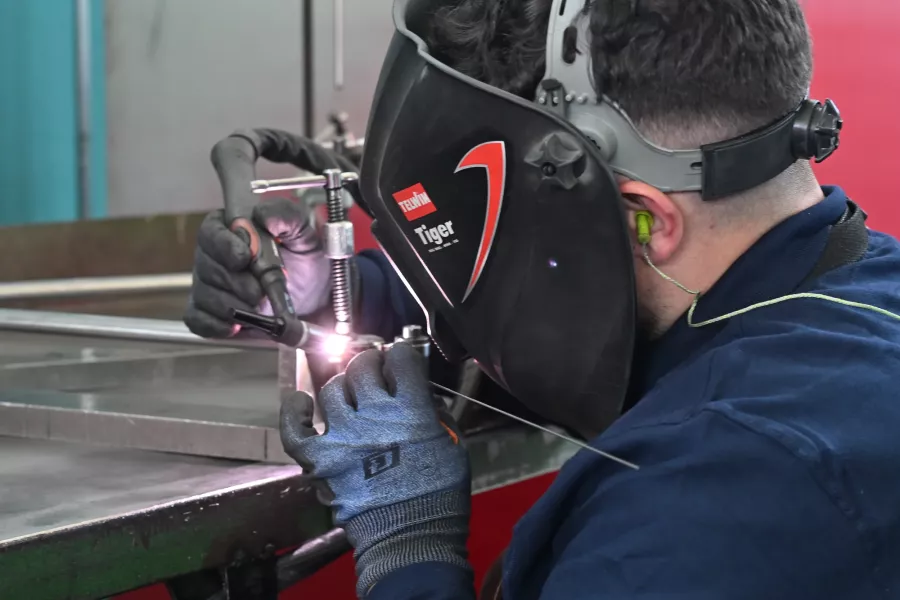
In TIG welding the arc is struck from a non-consumable tungsten electrode, and the filler metal is added separately, with a high degree of control. It is the most precise process: thin, clean, almost decorative beads and well-controlled heat input. We choose it for thin materials, exposed stainless steel, aluminum alloys and every case where the joint must look flawless — furniture, food industry, high-end parts.
MIG welding: productivity and strength
In MIG welding the filler wire feeds continuously and acts as the electrode itself: the process is faster and suits thicker materials and series production. It is the right choice for structural fabrication, frames, brackets and any job where strength and turnaround time matter most.
How we choose in the shop
- Thin material or visible joint → TIG
- Medium to heavy thickness, series, structures → MIG
- Aluminum → either, depending on thickness and required finish
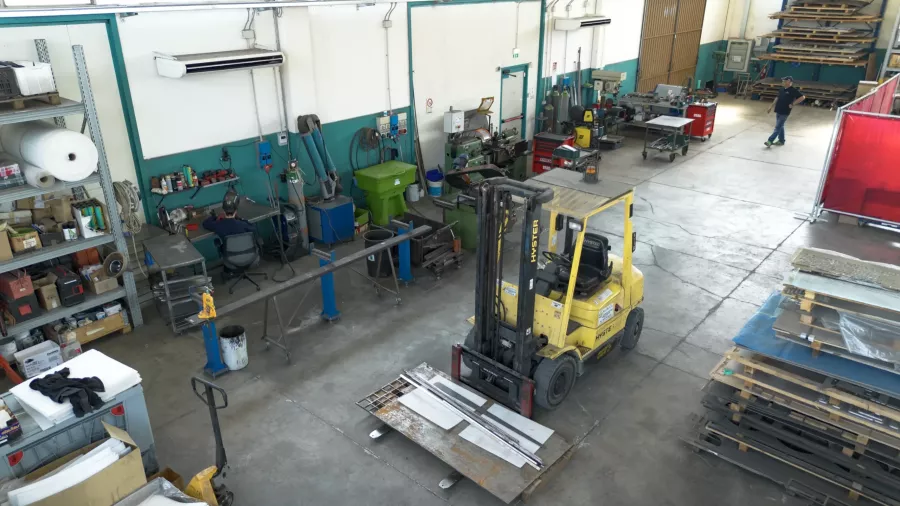
At LY-CO we perform TIG and MIG welding on all steels and aluminum alloys, often combining both in the same project: MIG where strength is needed, TIG where finesse is needed. And every joint goes through our quality control before delivery.
Have a part to weld and not sure which process to ask for? You don’t need to know: send us the drawing and we will take care of the process.